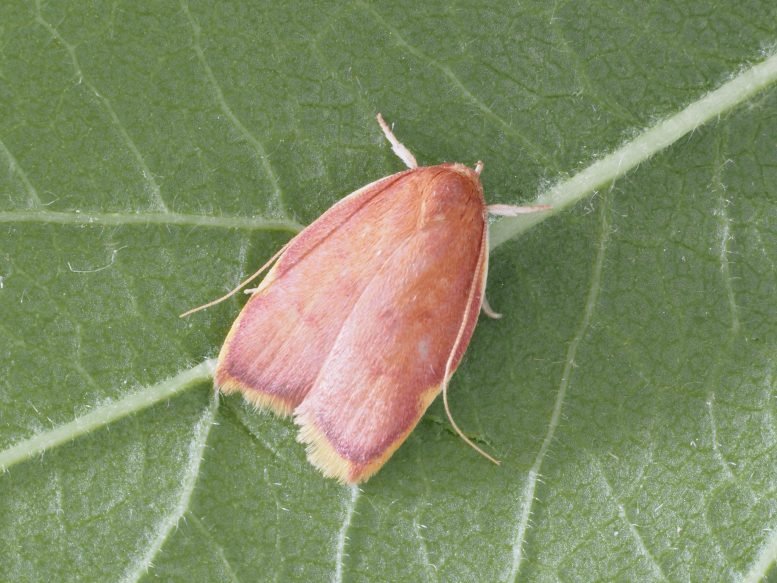
The night hums with unseen life, and among its most enigmatic residents are the moths. Often mistaken for their day-flying cousins, butterflies, moths represent an astonishing diversity of form, color, and ecological roles. But for many enthusiasts, the sheer number of species makes precise identification a daunting task. While some moths are easily recognizable, others, like many within the fascinating Inata genus, possess subtle distinctions that challenge even seasoned observers. Identifying Inata moth species—or any moth, for that matter—demands keen observation, a good eye for detail, and increasingly, a powerful assist from artificial intelligence.
Gone are the days when a definitive identification required hours poring over dusty field guides or capturing specimens for expert analysis. Today, technology has opened up exciting new avenues, making the intricate world of moth species more accessible than ever before.
At a Glance: Your Guide to Moth Identification
- AI is Your Ally: Modern AI platforms analyze images to instantly identify moth species, providing scientific names, family, distribution, and more.
- Picture Perfect for AI: For best results, use clear, front-lit, centered images of a single moth subject.
- Adult Moth Clues: Pay attention to wing patterns, body shape, antennae, resting posture, and flight times.
- Caterpillar Quirks: Larval stages are distinct; look for body color, markings, hairs, and host plants. Be aware of venomous species!
- Beyond Visuals: Geographical distribution, habitat, and adult activity periods are crucial supporting evidence for identification.
- Human + AI: The most accurate identification blends your keen observational skills with the analytical power of AI.
The Hidden World of Moths: Why Every ID Matters
Moths are more than just nocturnal insects flitting around a porch light. They are vital pollinators, crucial links in food webs, and indicators of environmental health. From the smallest micro-moth to the largest silk moth, each species plays a unique role in its ecosystem. Identifying them accurately isn't just a collector's hobby; it’s a contribution to citizen science, ecological understanding, and conservation efforts.
Take, for instance, the Inata genus. These moths, part of the Pyralidae family, might not have the same celebrity status as a Luna Moth, but their specific ecological interactions, host plant preferences, and geographic ranges are just as important for scientists tracking biodiversity. Pinpointing an Inata species in your local area helps build a clearer picture of regional ecosystems. However, with thousands of moth species worldwide, even distinguishing between closely related ones can be tricky. This is where the marriage of traditional field observation and cutting-edge technology truly shines.
Beyond the Field Guide: The Rise of AI in Moth Identification
For generations, moth identification relied on meticulous observation skills, detailed illustrations in books, and sometimes, the expertise of a professional entomologist. The process was often slow, prone to human error, and could be frustratingly inconclusive. You’d carefully compare wing patterns, antenna shapes, and body coloration against hundreds of similar-looking species, often reaching a tentative conclusion at best. This traditional approach, while rewarding, presented significant barriers to entry for newcomers and slowed down data collection for researchers.
How AI Transforms the Hunt
Today, artificial intelligence has revolutionized this process. AI-powered platforms can identify objects, animals, and scenes with remarkable speed and accuracy. For moth identification, this means you can snap a photo of an unfamiliar moth and receive an instant analysis. The AI acts as a digital expert, capable of sifting through vast databases of moth images and information in seconds, making fine-grained species classification a reality for everyone. This is particularly helpful for less commonly known genera like Inata, where traditional resources might be scarce or highly specialized.
Unpacking the AI Identifier: What It Analyzes
At its core, an AI moth identification system uses advanced computer vision. This technology allows the AI to "see" and interpret visual features much like a human, but with an unparalleled capacity for pattern recognition and data recall. When you upload an image, the AI meticulously analyzes several key visual characteristics:
- Wing Patterns and Colors: These are often the most defining features. The AI looks for specific markings, spots, bands, eyespots, and the overall color palette.
- Body Structure: The size, shape, and robustness of the moth's body, including its furriness or smoothness.
- Antennae: The shape and structure of the antennae (feathery, thread-like, clubbed) are crucial for distinguishing between species and even between moths and butterflies.
By comparing these features to millions of known patterns stored in its database, the AI can rapidly narrow down possibilities and present a likely match.
Your AI Setup: Getting the Perfect Picture
The accuracy of any AI system heavily relies on the quality of the input. Think of the AI as a diligent detective; the clearer the clues, the faster and more precise the solution. To maximize your chances of a confident identification:
- Light It Up (Softly and Evenly): Aim for soft, even lighting from the front. Avoid harsh glare or deep shadows, which can obscure crucial details and confuse the AI's analysis. A diffused light source, like an overcast day or indirect indoor light, works best.
- Center and Focus: Position the moth clearly in the center of your frame, facing the camera. Ensure the image is sharp and in focus, capturing the intricate details of its wings, body, and antennae.
- One Moth, One Shot: The AI is designed to identify a single subject. If there are multiple moths or other distracting elements in the frame, the system may struggle or provide an inaccurate identification. Isolate your subject for the best results.
What Your AI Report Reveals
Once you upload your image and the AI performs its magic, you'll typically receive a comprehensive report that goes far beyond just a name. This information is invaluable for confirming your identification and learning more about your discovery:
- Confidence Score: A numerical or percentage indicator of how certain the AI is about its identification. This helps you gauge reliability.
- Common and Scientific Names: The universally recognized scientific name (e.g., Inata punctata) and any common names associated with it.
- Taxonomic Family: The broader scientific grouping the moth belongs to (e.g., Pyralidae for Inata species; Sphingidae for Hawk Moths, Saturniidae for Atlas Moths, Noctuidae for Tiger Moths).
- Typical Wingspan Range: Helps confirm size against your observation.
- Geographical Distribution: Where the species is typically found, allowing you to cross-reference with your location.
- Adult Activity Periods: Whether the moth is active in Spring, Summer, Fall, or Year-round.
- Distinctive Markings or Behaviors: Any unique visual cues or common behaviors that help with confirmation.
- Lifecycle and Host Plants: Insights into the moth's development and what plants its caterpillars feed on.
- Pest or Beneficial Pollinator: Understanding its ecological role.
This wealth of data empowers you to not only identify a moth but also to understand its place in the natural world.
Mastering Adult Moth Identification: The Human Eye & AI Complement
While AI is a powerful tool, your own observational skills remain paramount. Learning what to look for will help you take better photos for AI analysis and confirm its results. It also brings a deeper appreciation for the subject.
General Principles for Any Moth, Including Inata Species
When identifying adult moths, whether a common species or a specific Inata moth, there are fundamental features that serve as critical clues:
- Wings: Shape, Size, and Pattern:
- Overall Shape: Moths come in all wing shapes, from broad and triangular (like many Hawk Moths) to slender and elongated (like some micro-moths).
- Size: The wingspan is a key measurement. While difficult to estimate precisely in the field, a general sense of size helps.
- Coloration: Note the base colors, overlaid patterns, spots, stripes, and bands. Are there "eyespots" (ocelli) on the hindwings, as seen in many Saturniidae? Even subtle variations in hue can differentiate species.
- Venation: The pattern of veins on the wings can be a highly technical but definitive identification marker for some groups.
- Body: Size, Shape, and Hairiness:
- Robustness: Some moths, like Hawk Moths, have stout, torpedo-shaped bodies, built for powerful flight. Others are more delicate.
- Hairiness: Many moths have furry bodies, especially on the thorax, which helps with insulation. The color and density of this "fur" can be a clue.
- Antennae: The Definitive Differentiator:
- Unlike butterflies, which typically have clubbed antennae, moth antennae are diverse:
- Filiform: Simple, thread-like.
- Pectinate: Comb-like, with projections on one or both sides (often more pronounced in males).
- Bipectinate: Feather-like, with projections on both sides, creating a highly sensitive sensory array.
- Clubbed (rarely): Some moths, like certain hummingbird moths, can have slightly thickened antennae tips, but generally not as distinct as a butterfly's club.
- The shape and length of antennae are crucial for family and species-level identification.
- Resting Posture & Activity Time:
- Wing Position: How the moth holds its wings at rest can be distinctive. Some hold them flat, others roof-like over their bodies, and some wrap them tightly.
- Diurnal vs. Nocturnal: While most moths are nocturnal, a significant number are diurnal (day-flying), like some Clearwing Moths or Hummingbird Moths. Observing activity time helps narrow down possibilities.
- Habitat & Geographic Range:
- Knowing the specific type of environment where you found the moth (forest, grassland, urban garden, coastal area) and your geographical location can significantly narrow down potential species. For instance, specific Inata species might be endemic to certain regions or ecosystems. Learn more about Inata and its distribution to help guide your search.
- Host Plants:
- The plants a moth’s larvae feed on are often highly specific to the species. If you find a moth near a particular plant, it might be a clue to its identity.
By combining these visual and contextual clues with AI analysis, you create a robust system for accurate identification.
Unmasking the Larval Stage: Identifying Moth Caterpillars
Moth identification isn't just about the charismatic adults; it's also about their equally fascinating larval stage: the caterpillar. Often strikingly different from their adult forms, caterpillars are primarily eating machines, focused on accumulating enough energy for their dramatic transformation into pupa and then adult moths. Identifying a caterpillar is a crucial step in understanding the complete life cycle of a moth species.
The Transformation: Why Caterpillars Are Distinct
Caterpillars are soft-bodied, segmented creatures that can look vastly different from the adult moth they will become. Their primary features are geared toward feeding and growth. They move by contracting their bodies and using a combination of true legs (six, near the head) and prolegs (stumpy, fleshy false legs with hooks, found on abdominal segments).
General Caterpillar Traits
When trying to identify a caterpillar, look for:
- Body Shape and Size: Are they long and slender, or plump and robust? How long are they typically?
- Coloration and Markings: Caterpillars display an incredible array of colors, stripes, spots, and blotches. These patterns are often species-specific.
- Hairs, Spines, and Tubercles: Many caterpillars are hairy, bristly, or adorned with spiky protrusions (tubercles, horns). The presence, type, and arrangement of these can be key. Be cautious, as some are stinging or venomous!
- Head Capsule: The color and size of the head can sometimes be a subtle clue.
- Habitat and Host Plants: Like adults, caterpillars are often found on specific host plants they feed on. Knowing the plant can significantly aid identification.
A Gallery of Common Moth Caterpillars
To illustrate the incredible diversity you might encounter, let's look at some notable moth caterpillars and their identifying features:
- White-Marked Tussock Moth Caterpillar (Orgyia leucostigma): Fuzzy yellow and black, with a distinctive red head and four brush-like tufts of yellowish-white hairs on its back. Found on deciduous and coniferous trees, these North American caterpillars have mildly irritating spines.
- Isabella Tiger Moth Caterpillar (Pyrrharctia isabella) / Banded Woolly Bear: A North American favorite, famous for its furry black and rusty-orange bands. While spiky, they don't bite but can cause minor skin irritation. They grow to about 2.3 inches.
- Ruby Tiger Moth Caterpillar (Phragmatobia fuliginosa): Yellow and furry with an orangey-brown body, featuring foxy-red stinging hairs and a yellow stripe down its back. Found in Europe, feeding on plants like willow and cabbage.
- Rosy Maple Moth Caterpillar (Dryocampa rubicunda): Bright green with a pale brown head, black antennae, rows of spiny black dots, and red tail markings. This harmless North American caterpillar turns into a beautiful pink and yellow moth, feeding on maple leaves.
- Imperial Moth Caterpillar (Eacles imperialis): A large, dark brown caterpillar covered in thin, wispy filaments and jagged spines. Up to 5.5 inches long, its spiny hairs can cause mild irritation. Found in North America, feeding on oak, maple, and pine.
- Cecropia Moth Caterpillar (Hyalophora cecropia): Oversized and lime green, with striking rows of yellow and blue tubercles, plus large spiny orange tubercles near its head. This harmless giant (4-4.5 inches) from North America feeds on trees like beech, birch, and oak.
- Elephant Hawk Moth Caterpillar (Deilephila elpenor): Dark-brown with distinctive "eyespots" near its head and a backward-curving horn, giving it an elephant-like appearance. This harmless caterpillar (up to 3 inches) from Europe, Asia, and Africa feeds on willowherb and bedstraw.
- Tobacco Hawk Moth Caterpillar (Manduca sexta) / Tobacco Hornworm: Sizable green with diagonal white stripes and a small horn-like protrusion at its rear. Found in North America, it feeds on nightshade plants like tobacco and tomato.
- Funerary Dagger Moth Caterpillar (Acronicta funeralis) / Paddle Caterpillar: Striking black with bright yellow markings and slender paddle-like protrusions. This harmless North American caterpillar (up to 1.37 inches) feeds on deciduous trees.
- Regal Moth (Royal Walnut Moth) Caterpillar (Citheronia regalis) / Hickory Horned Devil: A truly impressive caterpillar, up to 6 inches long, turquoise-green with menacing orange/red, black-tipped arched horns and rows of black spines. Its spiny hairs may cause mild irritation. Feeds on hickory, walnut, and sweetgum in North America.
- Southern Flannel Moth (Puss) Caterpillar (Megalopyge opercularis): This small (up to 1 inch), fluffy caterpillar, resembling a tuft of cotton, is VENOMOUS. Its sting can cause severe pain, headache, nausea, fever, and even seizures. If stung, seek medical attention if symptoms worsen. Found in the southern United States on hackberry, elm, and oak.
- Emperor Moth Caterpillar (Saturnia pavonia): Giant green and segmented, with rows of hairy tufts emerging from black and yellow tubercles. Young caterpillars are black and orange. Found in Europe and Asia, feeding on oaks, willows, and heather.
- Luna Moth Caterpillar (Actias luna): Iconic lime-green, almost translucent, with an oval brown head and rows of red spiny bumps. This harmless North American caterpillar feeds on birch, sweetgum, and hickory, turning reddish before pupation.
- Mullein Moth Caterpillar (Cucullia verbasci): Large, worm-like, creamy-white or pale grayish-green with distinctive yellow and black patches. Found on mullein plants in North America and Europe.
- Brown-Tail Moth Caterpillar (Euproctis chrysorrhoea): Reddish-brown with rows of white patches and long STINGING PENCIL HAIRS that cause skin irritation. Commonly found on birch, ash, oak, and fruit trees in Europe.
- Diamondback Moth Caterpillar (Plutella xylostella): Slender, green, worm-like with sparse black spiny hairs and a V-shaped rear end. This tiny (up to 0.4 inches) pest of cruciferous plants is found worldwide.
- Cinnabar Moth Caterpillar (Tyria jacobaeae): Bright yellow and black striped, with contrasting colors warning predators of its poisonous nature. Feeds on ragwort plants in Europe.
- Io Moth Caterpillar (Automeris io): Young are rusty-brown, maturing to green with needle-like green tufts (spikes) all over. This caterpillar is VENOMOUS, causing painful skin irritation. Features red and white stripes along its side and is found in North America.
AI & Caterpillars: How the Platform Handles Larvae
Many AI identification platforms are increasingly adept at identifying moth caterpillars as well as adults. The same principles apply: a clear, well-lit image of the caterpillar on its host plant (if possible) provides the best data for the AI to analyze its unique markings, hairs, and body structure. This allows you to track species through their entire lifecycle, adding another layer to your identification efforts.
Common Pitfalls and Expert Tips for Reliable Moth ID
Even with AI, successful identification sometimes requires navigating challenges. Knowing these common pitfalls can save you time and frustration.
Dealing with Poor Images
- Out of Focus: A blurry image makes it impossible for both human and AI to discern fine details like wing venation or antennae structure. Always aim for sharp focus.
- Underexposed or Overexposed: Too dark or too bright an image washes out colors and patterns. Use appropriate lighting (as discussed earlier) to capture true colors.
- Too Far Away: A moth that's a tiny speck in a large landscape photo offers no useful information. Get as close as you can while respecting the insect.
Environmental Factors
- Multiple Subjects: Avoid images with more than one moth or other insects; the AI won't know which one to identify.
- Distracting Backgrounds: A busy background can confuse the AI. Try to get a shot where the moth stands out clearly.
- Motion Blur: Moths can be active! If it's constantly moving, try waiting for it to settle, or if necessary, take multiple shots in hopes of capturing a still frame.
Distinguishing Similar Species
Many moth species are "look-alikes," with only subtle differences. This is where AI excels, but also where human cross-referencing becomes vital:
- Consult Multiple Sources: If the AI's confidence score is low, or if you suspect an error, cross-reference with other field guides, online databases, or local entomology groups.
- Check All Identifying Features: Don't rely on just one feature. Look at wings, body, antennae, and consider geographical range and host plants.
- Life Stage Variation: Remember that moths can look different at different life stages (larva, pupa, adult) and even within the same species (e.g., males vs. females, seasonal variations).
Prioritizing Safety with Potentially Harmful Species
As noted with caterpillars like the Southern Flannel Moth and Io Moth, some species can be venomous or have stinging hairs. Always exercise caution:
- Observe, Don't Touch: When in doubt, avoid direct contact with caterpillars or unfamiliar moths. Use a camera for close-ups.
- Educate Yourself: Learn about common venomous or irritating species in your region.
- Gloves and Tools: If you must handle a potentially irritating caterpillar (e.g., to move it off a path), use gloves and a small stick or leaf.
Your Enhanced Moth Identification Toolkit
The most effective approach to identifying moths, particularly challenging species like those in the Inata genus, is a thoughtful integration of traditional observation and modern technology.
- Field Observation: Start with your own eyes. What colors do you see? What's its size? How does it hold its wings? Where is it active? What plants are nearby? These are foundational clues.
- Quality Photography: Capture clear, focused, well-lit images from multiple angles if possible. This is your primary data for both your own reference and for the AI.
- AI-Powered Identification: Upload your best photos to an AI platform. Note the species suggested, the confidence score, and the accompanying information.
- Verification and Learning: Cross-reference the AI's suggestions with your field guides, online resources, and your own knowledge of the moth's biology, distribution, and host plants. If the AI suggests Inata punctata, does its known distribution match your location? Does its typical wingspan align with your observation?
This blended approach not only leads to more accurate identifications but also deepens your understanding and appreciation for the intricate world of moths.
Beyond Identification: The Impact of Your Discoveries
Every time you successfully identify a moth species, you're doing more than just satisfying your curiosity. You're contributing to a larger body of knowledge. Citizen science projects thrive on observations like yours, helping researchers track species populations, monitor biodiversity, and understand the impacts of environmental change. Your identification of an Inata species, for example, could be a valuable data point for scientists studying their distribution or host plant associations.
So, whether you're a budding enthusiast or a seasoned entomologist, embrace the journey of discovery. With a keen eye, a good camera, and the power of AI at your fingertips, the mysteries of the moth world are more accessible than ever before. Go forth, explore, and let the thrill of identification illuminate the unseen wonders of the night—and day.