Step outside on any given night, and you might encounter them: the silent, scaly-winged inhabitants of our planet. While often overshadowed by their flamboyant butterfly cousins, moths are an incredibly diverse and vital group of insects, numbering an astonishing 160,000 known species worldwide. Among them, the Inata Moth (a representative species for our exploration) thrives across an impressive range of environments, adapting with remarkable ingenuity to nearly every corner of the globe. Understanding the Inata Moth habitat & distribution isn't just about pinpointing where they live; it's about appreciating the intricate ecological tapestry they weave, from dense forests to our very own homes.
From their earliest larval stages to their winged adult lives, Inata Moths, like most moth species, undertake a dynamic journey, each phase demanding specific environmental conditions. Their widespread presence highlights their crucial roles as pollinators and key components of food webs, impacting ecosystems far more than many realize.
At a Glance: What You’ll Discover About Inata Moth Habitat & Distribution
- Global Reach: Inata Moths are found almost everywhere, from humid tropics to arid deserts and high mountains, adapting to diverse climates.
- Wild Ecosystems: They inhabit forests, grasslands, wetlands, and even extreme environments like deserts, each offering unique food and shelter.
- Human Connections: Many Inata Moth species have successfully adapted to living near humans, finding shelter and food in homes, gardens, and agricultural areas.
- Life Stage Shifts: Their habitat isn't static; eggs, larvae, pupae, and adults each require distinct micro-environments for survival and development.
- Ecological Impact: Inata Moths are essential pollinators and a food source for other animals, playing a significant role in ecosystem health.
The World of Moths: A General Overview for Understanding Inata
Before diving specifically into the Inata Moth, it's essential to grasp the broader context of moth biology and ecology. Moths, as a group, demonstrate unparalleled adaptability, inhabiting every continent except Antarctica and flourishing in biomes ranging from lush tropical rainforests to freezing alpine peaks. This incredible resilience is a testament to their evolutionary success and provides the backdrop for understanding any particular species, including the Inata Moth. They are, as biologyinsights.com notes, key components of food webs and pollinators for many plants, exhibiting an extraordinary range in size and form.
Their ability to thrive in such varied conditions stems from specialized adaptations. Some species tolerate extreme temperatures, others mimic their surroundings for camouflage, and many have evolved unique dietary preferences. This general adaptability is what allows a species like the Inata Moth to find its niche across a broad spectrum of habitats.
Where Inata Moths Call Home: A Global Perspective
The distribution of Inata Moths mirrors the global reach of their moth relatives, showing up in places you might least expect. Their prevalence across different biomes speaks volumes about their evolutionary success.
From Rainforests to Deserts: Wild Inata Moth Habitats
For Inata Moths inhabiting wild landscapes, survival hinges on access to appropriate host plants for their larvae and nectar sources for adults, alongside suitable shelter from predators and harsh weather.
- Dense Forests: In tropical, temperate, and boreal forests, Inata Moths find an abundance of trees and undergrowth offering both shelter and food. Canopy layers provide roosting sites, while the forest floor is rich with leaf litter where some pupate. Here, they might contribute to the intricate dance of forest ecology, perhaps even supporting crucial pollinator conservation efforts.
- Vast Grasslands: Open spaces define grasslands, yet Inata Moths adapt by utilizing specific grasses and wildflowers as host plants. Their larvae might feed on roots or stems, while adults flit between blossoms, playing a role in the pollination of these open ecosystems.
- Arid Deserts: It seems counterintuitive, but specialized Inata Moth species have conquered the desert. They've developed mechanisms to cope with extreme heat and dryness, often emerging at night when temperatures drop, seeking out succulent plants or temporary water sources. Their survival strategies in such harsh conditions are truly remarkable.
- Wetlands and Salt Marshes: These humid environments, rich in unique aquatic or semi-aquatic vegetation, support distinct populations of Inata Moths. They've adapted to the specific flora, with larvae often feeding on reeds or sedges, showcasing the species' ability to exploit niche environments.
- High-Alpine and Mountainous Regions: Even in the thin air and cooler temperatures of high-altitude environments, Inata Moths persist. They contend with specialized flora and shorter growing seasons, sometimes exhibiting darker coloration to absorb more sunlight, a fascinating adaptation to their challenging homes.
The Human Connection: Inata Moths in Our World
Beyond the wild, Inata Moths, like many moth species, have become adept at coexisting with humans. Our dwellings and modified landscapes offer warmth, shelter, and often, an abundance of food sources, leading to a sometimes contentious, sometimes beneficial relationship.
Inside Our Homes: Uninvited Guests or Harmless Companions?
When you think of moths indoors, you might picture them fluttering around a lightbulb, but their presence can be far more specific, particularly for certain Inata Moth varieties that have specialized in human environments.
- Pantries and Kitchens: For some Inata Moth species, your pantry is a five-star restaurant. They might infest dry goods like grains, cereals, pasta, dried fruits, and even pet food. Species like the Indian meal moth, for instance, are notorious for this, and an Inata relative could display similar habits. Identifying and addressing these issues often requires implementing effective, eco-friendly pest control methods.
- Closets, Attics, and Basements: Dark, undisturbed environments filled with natural fibers are prime real estate for certain Inata Moths. Clothes moths, for example, are known for their larvae feeding on wool, fur, silk, and other textiles. If you find small holes in your favorite sweater, an Inata Moth larva might be the culprit. These areas provide the perfect sanctuary for their pupation and adult resting.
- Commercial Settings: Food processing plants, warehouses, and storage facilities, with their vast quantities of stored products, can also become attractive habitats for Inata Moths drawn to abundant food sources. This can lead to significant economic impacts for businesses.
Outside Our Structures: Gardens, Farms, and Urban Green Spaces
Human-modified landscapes aren't just concrete jungles; they're often surprisingly rich habitats for Inata Moths.
- Gardens and Parks: Your backyard garden, with its diverse array of cultivated plants, provides a rich buffet for adult Inata Moths seeking nectar. More importantly, it offers a variety of host plants for their caterpillars. A well-maintained garden can become a vital part of creating an urban wildlife garden, supporting local moth populations.
- Agricultural Fields: Here, the relationship can be complex. Some Inata Moth species might be considered agricultural pests, with their larvae consuming crops, impacting yields. However, others serve as important pollinators for those very same crops, contributing to food security.
- Urban Green Spaces: Pockets of parks, roadside verges, and even neglected lots provide suitable habitats amidst developed areas. These spaces allow adaptable Inata Moth species to thrive, offering shelter and plant diversity, acting as crucial ecological corridors within built environments.
The Dynamic World of Inata Moth Habitats: A Life-Stage Journey
The concept of "where Inata Moths live" isn't static; it's a dynamic journey that changes dramatically as they progress through the fascinating journey of a moth's life cycle. Each developmental phase demands specific microhabitats to meet its unique needs. Understanding these shifts is key to comprehending their overall distribution.
The Egg Stage: Precise Placement
The Inata Moth's life typically begins with the egg stage, a testament to the female's meticulous instincts. She doesn't just lay eggs anywhere; she carefully deposits them onto specific host plants that will provide immediate sustenance for the hatching larvae. This precise placement is crucial, as the tiny caterpillars will begin feeding as soon as they emerge. Some species lay eggs singly, discreetly hidden on the underside of leaves or within crevices, while others lay them in clusters, often camouflaged to avoid detection. The choice of host plant dictates the initial "home" of the next generation.
The Larval Stage: The Hungry Caterpillars
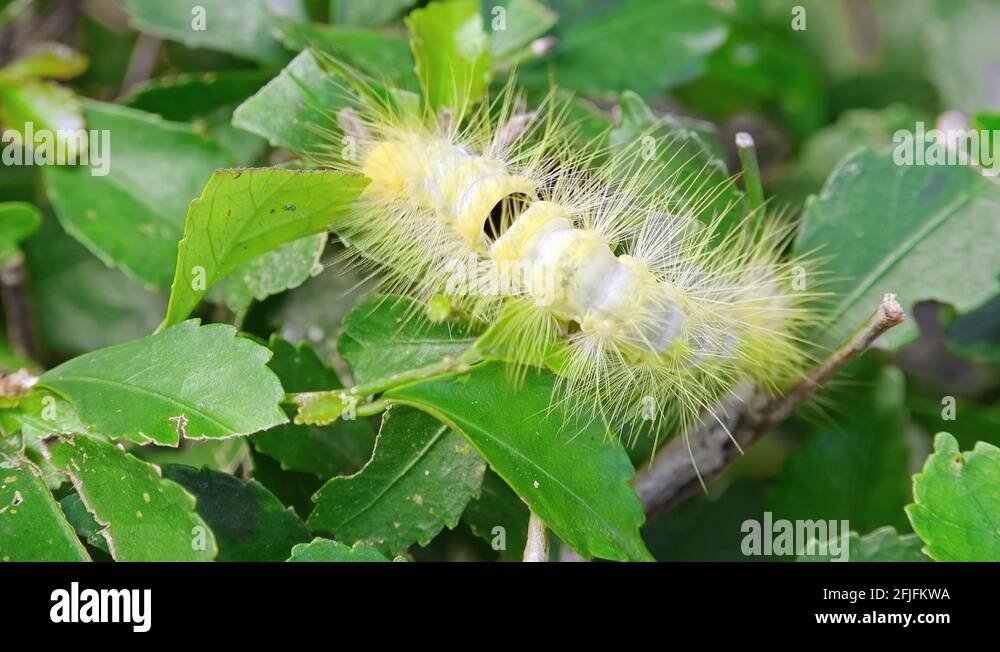
Once hatched, the Inata Moth larvae, commonly known as caterpillars, primarily inhabit the host plants they were born onto. Their main purpose is to eat and grow, growing rapidly through a series of molts. Their diet varies wildly depending on the Inata Moth species: some munch on leaves, others bore into stems, roots, or even wood. The clothes moth variety of Inata Moths, for example, specializes in consuming keratin-rich materials like wool, fur, or silk. During this stage, their habitat is often confined to a single plant or even a specific part of it, making them highly vulnerable yet crucial for plant health.
The Pupal Stage: Hidden Transformation
Following the voracious larval stage, the Inata Moth caterpillar transforms into a pupa – an immobile, seemingly dormant stage where the magic of metamorphosis truly happens. Moth pupae are masters of concealment, often found hidden in various locations. Many Inata Moth species burrow into the soil or leaf litter, effectively disappearing from sight. Others spin protective silk cocoons, attaching them to plants, branches, or tucking them away in dark crevices. The pupal habitat must provide suitable conditions for temperature and humidity, ensuring the delicate transformation can occur safely, away from predators and environmental extremes. This is a critical, vulnerable phase, and its success is directly tied to the availability of safe, undisturbed micro-habitats.
The Adult Stage: Flight and Reproduction
Finally, the adult Inata Moth emerges from its pupal casing, and its habitat expands considerably. Now winged, these adults can disperse widely to find mates and suitable sites for egg-laying, continuing the incredible cycle. Most Inata Moth species are nocturnal, resting during the day in camouflaged positions on tree bark, under leaves, or in dark, sheltered areas. Their patterns often blend seamlessly with their surroundings, offering protection. Day-flying Inata Moths, though less common, actively seek nectar from flowers, playing their part as pollinators. The adult stage is primarily focused on reproduction and dispersal, making their habitat the broader landscape.
Identifying Inata Moth Presence and Protecting Their Habitats
Understanding the Inata Moth's habitat and distribution is not just academic; it has practical implications, whether you're a homeowner, a gardener, or an environmental enthusiast.
How to Spot Inata Moths (or Their Presence)
- Check Host Plants: Look for chewed leaves, silk webbing, frass (caterpillar droppings), or actual caterpillars on plants, especially during spring and summer.
- Indoor Clues: For indoor species, watch for small adult moths flying erratically, tiny holes in fabrics, or larvae/webbing in stored dry goods.
- Night Activity: Adult Inata Moths, particularly nocturnal species, are often drawn to lights at night. Observing them can give you clues about local populations.
- Cocoons/Pupae: Keep an eye out for pupal cocoons on plants, under leaf litter, or in undisturbed corners indoors. For further assistance in identifying various moth species, specialized guides can be invaluable.
Protecting Inata Moth Habitats (and Managing Pests)
Our actions can significantly impact Inata Moth populations, for better or worse.
- Biodiversity in Your Garden: Plant a diverse range of native plants to provide nectar for adult moths and host plants for their larvae. Avoid broad-spectrum pesticides that can harm beneficial insects.
- Sustainable Land Management: Support agricultural practices that minimize pesticide use and promote habitat diversity. Consider planting hedgerows or wild strips around fields.
- Indoor Prevention: For indoor Inata Moth species that are considered pests, good housekeeping is key. Store dry goods in airtight containers, regularly clean closets, and inspect natural fibers before storage. Freezing susceptible items can kill eggs and larvae.
- Light Pollution Awareness: Excessive artificial light at night can disorient nocturnal moths, impacting their ability to feed, mate, and navigate. Consider using downward-facing, motion-activated, or amber-spectrum lights.
- Leave Leaf Litter: If safe and practical, allowing some leaf litter in your garden provides crucial overwintering and pupation sites for many moth species.
Common Questions About Inata Moth Habitat & Distribution
Let's address some frequently asked questions to clear up common misconceptions and provide further clarity.
Q: Are Inata Moths found everywhere in the world?
A: Almost! Like most moth species, Inata Moths have an incredibly wide distribution, thriving on nearly every continent except Antarctica. They've adapted to a vast range of biomes, from deserts to high-alpine regions.
Q: Do Inata Moths live in my house?
A: Some Inata Moth species certainly can! While many prefer wild habitats, others have adapted to human environments, finding shelter, warmth, and food sources in pantries, closets, basements, and even commercial buildings.
Q: Does the Inata Moth's habitat change throughout its life?
A: Absolutely. This is a critical aspect of moth biology. Inata Moths occupy very different micro-habitats during their egg, larval (caterpillar), pupal, and adult stages, each requiring specific conditions for survival and development.
Q: Are all Inata Moths considered pests?
A: No, far from it. While a few Inata Moth species might be considered agricultural or household pests, the vast majority are harmless and play vital ecological roles. Many are important pollinators for plants, and their larvae serve as a food source for birds and other wildlife.
Q: How can I help protect Inata Moths?
A: You can help by planting native flowers and host plants in your garden, reducing pesticide use, minimizing light pollution at night, and creating diverse habitats. Learning more about conserving vital insect habitats is a great first step.
Embracing the Inata Moth's World
The journey through the Inata Moth habitat & distribution reveals a creature of immense adaptability and ecological significance. From the hidden life beneath a leaf to the nightly dance around a light, these moths are integral to our planet's biodiversity. They remind us that even the smallest inhabitants play colossal roles in maintaining the health of our ecosystems.
By understanding their needs, respecting their spaces, and taking simple actions to support their survival, we can ensure that the silent, scaly-winged world of the Inata Moth continues to thrive, enriching our natural world for generations to come. Learn more about Inata and consider how you might become a steward of these fascinating insects in your own local environment.