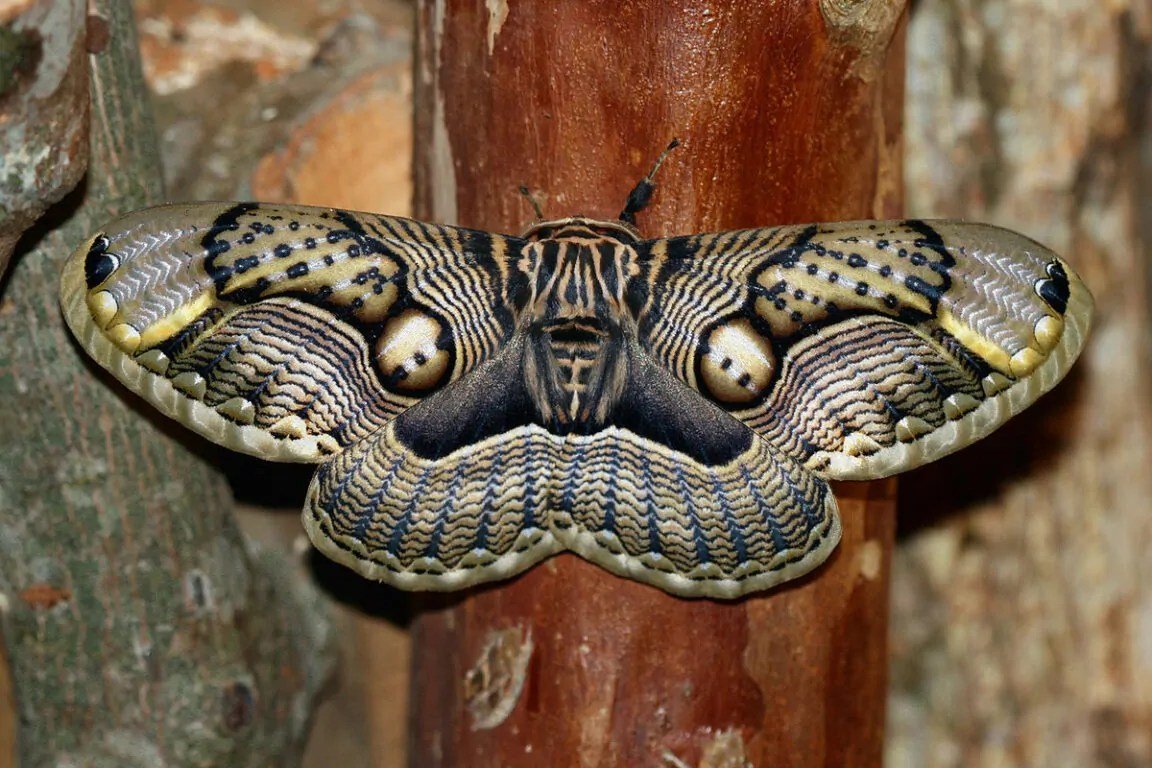
There’s a quiet magic that unfolds in the twilight hours, often unseen, as the world of moths comes to life. These nocturnal navigators, far from their often-maligned reputation, are ecological linchpins, critical pollinators, and vital food sources for countless other species. Yet, like so many unsung heroes of the natural world, the Inata Moths now stand at a precipice, facing an array of severe threats that demand urgent conservation efforts. Understanding the intricate dance between their survival and our shared environment is paramount, driving a new wave of focused action.
At a Glance: The Urgent Plight of Inata Moths
- Who are they? Inata Moths are a diverse group of mostly nocturnal insects, crucial to many ecosystems. They range from specialist feeders to generalists, playing key roles in pollination and the food web.
- Why do they matter? They are a primary food source for birds, bats, spiders, and reptiles, and their larvae feed other insects, bacteria, and fungi. Their decline signals broader ecosystem instability.
- What are the major threats? Habitat change (destruction, fragmentation, degradation), climate change, agricultural intensification, urbanization, chemical pollution, and artificial light pollution are driving their decline.
- Are they declining globally? Yes, moth populations are in substantial decline worldwide (e.g., 31% in Great Britain, 71% in the Netherlands). Inata Moths are facing similar pressures.
- What's being done? Conservation efforts focus on habitat restoration, sustainable land management, reducing light and chemical pollution, research, and community engagement.
- What can you do? Plant native species, eliminate pesticides, reduce outdoor lighting, support conservation, and participate in citizen science.
The Silent Crisis: Why Moths Matter (and Why Inata Moths Are Alarming)
Moths are often dismissed as the "less glamorous" cousins of butterflies, but this perception couldn't be further from the truth. With an astonishing diversity of species—far outnumbering butterflies—moths represent a vast, often hidden, biological wealth. They are species-rich herbivores with a wide spectrum of feeding strategies, from specialists that rely on a single type of plant to generalists that forage on many (Kolkert et al., 2020). This dietary variety underpins their immense ecological value.
As active nocturnal pollinators, moths play a critical role in the reproduction of many plants, often specializing in flowers that open at night. Imagine an entire ecosystem, subtly dependent on these winged marvels carrying pollen from bloom to bloom under the cover of darkness. Beyond pollination, moths, in all their life stages, are a vital food source. Think of a bat swooping through the night, a bird foraging at dawn, or a spider weaving its intricate web – many are sustained by moths. Moth larvae, often overlooked, are themselves a rich protein source for birds, bats, spiders, and even reptiles. These larvae also sustain other insects, bacteria, and fungi, forming foundational links in complex food webs.
The substantial decline of moths reported globally across countries like the U.K., U.S., Germany, Sweden, India, Netherlands, Siberia, and New Zealand (with declines ranging from 27% to a staggering 71%) is not merely an entomological curiosity. It constitutes a great threat to ecosystems, leading directly to a biodiversity crisis, as noted in "The Decline of Moths Globally: A Review of Possible Causes." The plight of Inata Moths, therefore, isn't just about one group of insects; it's a stark indicator of broader environmental distress, threatening the intricate balance of the natural world that supports us all.
Unpacking the Threats to Inata Moths
The threats facing Inata Moths are complex and interconnected, often stemming from widespread human-imposed environmental changes. These challenges can be categorized by severity and impact, from "major threats" to "specific threats" (Kearney et al., 2020), but their cumulative effect is what truly endangers these essential creatures.
Habitat Change: The Foremost Adversary
The most significant and pervasive threat to moths globally, and to Inata Moths specifically, is habitat change and intensification (New, 2023). This isn't a single issue but a spectrum of impacts:
- Habitat Destruction: This is the most direct form of threat, where natural areas vital for Inata Moth survival are simply removed. Think of forests cleared for logging, wetlands drained for development, or grasslands plowed under for agriculture. When their homes and food sources vanish, so do the moths.
- Habitat Fragmentation: Even if habitats aren't entirely destroyed, they can be broken up into smaller, isolated patches by roads, urban sprawl, or large farms. These fragmented areas become "islands" where Inata Moths might struggle to find mates, access diverse food sources, or escape predators. Genetic diversity suffers, making populations more vulnerable.
- Habitat Degradation: This refers to the reduced quality of an existing habitat. A forest might still stand, but if invasive species outcompete native host plants, or if pollution alters soil chemistry, the habitat can no longer support a healthy Inata Moth population. Agricultural intensification often leads to this, reducing the diversity of plants and natural features crucial for moths.
The expansion of human infrastructure, whether through expanding towns, industrial zones, or even new roads, inevitably encroaches upon natural spaces. This loss of wild, biodiverse areas directly erodes the refuge and resources available to Inata Moths.
Climate Change: A Shifting World for Inata
Climate change introduces a layer of unpredictable and far-reaching challenges. For organisms as sensitive to their environment as moths, even subtle shifts can have profound consequences:
- Altered Life Cycles: Changes in temperature or precipitation patterns can disrupt the delicate timing of an Inata Moth's life cycle. If a specific host plant blooms earlier or later due to warming temperatures, and the moth species that feeds on it doesn't adjust its emergence time, there's a "phenological mismatch." The larvae might hatch to find their food source gone, or adults emerge when their preferred flowers aren't in bloom.
- Range Shifts: As climates warm, Inata Moths might attempt to shift their geographical ranges to find suitable conditions. However, this is often hindered by habitat fragmentation, urban barriers, or simply the speed of climate change outpacing their ability to adapt and move.
- Extreme Weather Events: Increased frequency and intensity of droughts, floods, heatwaves, or unseasonal frosts can decimate Inata Moth populations. A single severe event, particularly during a vulnerable life stage (like egg or pupa), can wipe out local populations.
The Glare of Progress: Light and Chemical Pollution
The conveniences of modern life come with their own environmental costs, and Inata Moths are particularly susceptible to two forms of widespread pollution:
- Artificial Light Pollution: As nocturnal creatures, Inata Moths rely on the darkness of night and natural light cues (like the moon) for navigation, foraging, and mating. Artificial light, from streetlights to building illumination, acts as a powerful disruption. Moths are often attracted to these lights, becoming trapped in their glow. This "moth trap" effect not only increases their vulnerability to predators but also disorients them, preventing them from finding food, reproducing, or even resting, leading to exhaustion and death. Studies have shown significant impacts on moth populations near artificially lit areas.
- Chemical Pollution: Pesticides and herbicides, widely used in agriculture, gardening, and even public spaces, pose a direct and indirect threat.
- Direct Toxicity: Many pesticides are broad-spectrum, meaning they kill not just target pests but also beneficial insects like Inata Moths. Even low doses can have sublethal effects, impairing their ability to fly, forage, or reproduce.
- Indirect Harm (Host Plant Contamination): Herbicides kill the very plants that Inata Moths and their larvae rely on for food. Pesticide residues can also contaminate host plants, harming moths when they feed. The loss of wildflowers and native plants due to herbicide use also reduces the available food sources for adult moths.
Invaders and Other Pressures
Beyond these major threats, Inata Moths can also face pressure from:
- Invasive Non-Native Species: Introduced plants can outcompete native host plants, reducing available food for specialist Inata Moth species. Invasive predators or diseases might also impact moth populations that haven't evolved defenses against them.
- Disease: While less studied in general moth populations, certain diseases can cause localized declines, especially in already stressed populations.
- Human Collection: While usually a minor threat for widespread species, excessive collection can impact rare or highly localized Inata Moth populations.
Measuring the Decline: A Glimpse into the Data (and Why it's Hard)
Quantifying the decline of moths is a significant challenge, largely due to their nocturnal nature. Many species are small, cryptic, and active only at night, making comprehensive surveys difficult and labor-intensive. Yet, despite these obstacles, the data we do have paints a grim picture.
Substantial declines have been reported across various countries. For instance, studies indicate that 31% of moths have declined in Great Britain, 44% in Southern Britain, 27% in Sweden, and a staggering 71% in the Netherlands (The Decline of Moths Globally). These figures represent overall trends across diverse moth species, reflecting widespread ecological stressors. While specific data for "Inata Moths" might be emerging, these global trends underscore the critical need for immediate action. If populations in well-studied regions are facing such severe losses, it's highly probable that Inata Moths, exposed to similar environmental pressures, are experiencing analogous, if not more severe, declines.
The collapse of moth populations is a prime concern not just for entomologists but for anyone concerned with ecosystem health. They serve as food for a wide range of taxa, including birds, bats, spiders, and reptiles. A drop in moth numbers creates a ripple effect, impacting the survival rates and breeding success of these dependent species. Imagine a world with fewer insectivorous birds, or struggling bat populations – this is the cascading biodiversity crisis that moth decline foreshadows.
From Awareness to Action: Safeguarding Inata Moths
Recognizing the severe threats is the first step; the next is implementing effective conservation strategies. Conservation efforts for Inata Moths, like many threatened species, draw upon established frameworks and a multidisciplinary approach.
Conservation Frameworks: How We Categorize Risk
The need for conservation is often based on the definition of threats within a particular context, guided by hierarchies like those used by the World Conservation Union’s (IUCN) Red Data List categories. These categories (e.g., Vulnerable, Endangered, Critically Endangered) provide a standardized way to assess a species' extinction risk, helping prioritize conservation funding and efforts. For Inata Moths, careful assessment through these frameworks would highlight their specific vulnerabilities and guide targeted interventions.
Key Conservation Strategies in Action
Effective conservation is rarely a one-size-fits-all solution. It requires a blend of scientific understanding, policy development, and community engagement.
1. Habitat Restoration and Protection
Given that habitat change is the "major imposed threat" (Causes for Concern, ResearchGate), protecting and restoring Inata Moth habitats is foundational.
- Establishing Protected Areas: Designating and rigorously protecting critical Inata Moth habitats, such as specific forests, wetlands, or grasslands where their host plants thrive, is crucial. These areas act as refuges where populations can stabilize and potentially expand.
- Creating Ecological Corridors: To combat habitat fragmentation, conservationists work to connect isolated patches of habitat with corridors. These might be strips of native vegetation along waterways or roads, allowing Inata Moths to move safely between areas, enhancing genetic diversity and resilience.
- Managing Native Vegetation: This involves removing invasive species that outcompete native host plants, controlling excessive browsing by deer (if applicable), and reintroducing native plant species essential for Inata Moth larvae and adults.
- Targeting Host Plants: For specialist Inata Moth species, identifying and actively propagating their specific host plants is a high-priority action. Without these plants, the moths cannot complete their life cycle.
2. Sustainable Land Management
Beyond dedicated protected areas, influencing how land is managed across broader landscapes is vital.
- Reducing Pesticide and Herbicide Use: Encouraging organic farming practices, integrated pest management (IPM), and the use of natural pest controls can significantly reduce the chemical burden on Inata Moths. In urban and suburban areas, promoting pesticide-free gardening is equally important.
- Promoting Diverse Landscapes: Agricultural practices that integrate hedgerows, field margins with native wildflowers, and uncultivated patches provide essential refuge and resources for moths within farmed landscapes.
- Minimizing Tillage: Reducing soil disturbance can protect moth pupae and larvae that overwinter in the ground.
3. Minimizing Light Pollution
Addressing artificial light is a specific but impactful strategy for nocturnal insects.
- Dark Sky Initiatives: Promoting "dark sky" zones, particularly near sensitive natural areas, can create vast areas where Inata Moths can navigate naturally.
- Moth-Friendly Lighting: Where lighting is essential, switching to downward-directed, shielded fixtures that emit warmer spectrum light (e.g., amber LEDs) rather than blue-rich white light can significantly reduce their disruptive impact on moths. Reducing unnecessary outdoor lighting or using motion sensors also helps.
4. Research and Monitoring
You can’t conserve what you don’t understand. Ongoing research is critical:
- Targeted Surveys: Implementing regular, standardized surveys helps track Inata Moth populations, identify areas of decline or stability, and assess the effectiveness of conservation interventions.
- Life History Studies: Understanding the specific ecological requirements of different Inata Moth species—their host plants, flight periods, overwintering strategies—is crucial for designing effective, tailored conservation plans.
- Citizen Science: Engaging the public in moth monitoring programs (e.g., light trapping, recording sightings) can gather vast amounts of data across broad geographical areas, supplementing professional research efforts.
5. Community Engagement and Education
Conservation success hinges on public support and participation.
- Raising Awareness: Educational campaigns can inform the public about the vital role of Inata Moths, the threats they face, and practical steps individuals can take.
- Empowering Local Communities: Involving local communities, landowners, and farmers in conservation planning and implementation fosters a sense of ownership and ensures long-term sustainability of efforts.
For those interested in the broader context of these efforts and the species they protect, we invite you to Explore the Inata hub, a comprehensive resource dedicated to understanding and preserving the rich biodiversity of the Inata region.
What You Can Do: Becoming an Inata Moth Ally
You don't need to be a scientist or a policymaker to make a tangible difference for Inata Moths. Every action, no matter how small, contributes to a larger conservation effort. Here are practical steps you can take:
1. Re-wild Your Garden (or Even Just a Corner)
Transform your outdoor space into an Inata Moth haven:
- Plant Native Host Plants: Research which native plants are essential for Inata Moth larvae in your region. For example, many moth species depend on native trees, shrubs, and wildflowers. By providing these specific food sources, you create a nursery for their young.
- Embrace "Messy" Areas: Don't be too tidy! Leave fallen leaves, dead wood, and uncut grass in parts of your garden. These areas provide crucial shelter, overwintering sites for pupae, and habitat for other beneficial insects.
- Create a Moth Garden: Choose night-scented flowers that attract adult moths for nectar. Examples include honeysuckle, jasmine, evening primrose, or nicotiana. Plant them in clusters to create a stronger scent beacon.
2. Cut the Chemicals
Eliminate or drastically reduce your use of pesticides and herbicides:
- Go Pesticide-Free: Avoid chemical sprays, even organic ones, as many can harm beneficial insects. Learn to live with a few chewed leaves; it means your garden is alive!
- Weed by Hand: Opt for manual weeding instead of chemical herbicides. If you must use a weed killer, choose targeted, non-toxic methods.
- Accept Natural Cycles: Understand that some insect damage is a natural part of a healthy ecosystem. Focus on building soil health and biodiversity to manage pests naturally.
3. Turn Down the Lights
Help Inata Moths navigate by starlight, not streetlights:
- Turn Off Unnecessary Outdoor Lights: If you don't need it, turn it off. This simple act can make a huge difference in your immediate vicinity.
- Use Moth-Friendly Lighting: If you require outdoor lighting, install fixtures that are shielded (direct light downwards), use motion sensors, and opt for warmer spectrum (yellow, amber) LED bulbs instead of bright white or blue lights.
- Draw Blinds at Night: Minimize light spill from indoors by closing curtains and blinds after dark.
4. Support and Engage
Become an active advocate for Inata Moths:
- Support Conservation Organizations: Donate to or volunteer with organizations dedicated to insect conservation, habitat protection, or specific moth research. Your financial support fuels critical work on the ground.
- Participate in Citizen Science: Look for local or national citizen science projects that track moth populations. Reporting your sightings, even casual ones, contributes valuable data to researchers.
- Spread the Word: Talk to your friends, family, and neighbors about the importance of moths and the simple steps they can take. Awareness is a powerful tool for change.
5. Buy Sustainably
Make conscious choices as a consumer:
- Choose Organic Products: Support farmers and businesses that avoid harmful pesticides by opting for organic produce and sustainably sourced goods.
- Support Local, Sustainable Agriculture: When possible, buy from local farms that prioritize environmental health and biodiversity.
Addressing Common Concerns About Moth Conservation
It's natural to have questions, especially when discussing creatures that are often misunderstood. Here are some common concerns addressed head-on:
"Aren't moths just pests?"
This is a common misconception! While a tiny fraction of moth species (like clothes moths or some agricultural pests) can be problematic, the vast majority are benign or highly beneficial. Inata Moths, for example, are crucial pollinators and a fundamental food source. Many are highly specialized, meaning they only feed on specific plants and do not pose a threat to crops or household goods. Painting all moths with the "pest" brush is akin to saying all birds are pests because crows sometimes raid gardens. Understanding their specific roles helps appreciate their immense value.
"How can one person make a difference?"
The cumulative impact of individual actions is immense. Imagine if every homeowner in your neighborhood planted native host plants, turned off unnecessary outdoor lights, and stopped using pesticides. The collective habitat created, and the reduction in environmental stressors, would be substantial. Conservation isn't solely about grand gestures; it's also about a million small acts of kindness to the planet, consistently performed. Your garden, your choices, your voice – they all contribute to a healthier ecosystem where Inata Moths can thrive.
"Is it too late for Inata Moths?"
While the decline of moths globally is alarming, it is certainly not too late for Inata Moths. The situation is critical, but conservation science offers proven strategies. Many species have been brought back from the brink through dedicated efforts. The key lies in immediate, sustained action and a collective will to make necessary changes. By understanding the threats and implementing effective conservation measures now, we can still secure a future for Inata Moths and the countless species that depend on them. Hope lies in our hands.
A Future for Inata: Hope Through Shared Responsibility
The story of the Inata Moths is a microcosm of a larger global biodiversity crisis. Their vulnerability to habitat loss, climate change, and various forms of pollution mirrors the challenges faced by countless other species, including ourselves. However, this understanding isn't a call for despair; it's a powerful invitation to act.
By recognizing the vital ecological services provided by these often-overlooked creatures, from pollination to forming the base of intricate food webs, we gain a clearer picture of what's at stake. The actionable steps outlined above – from rewilding our gardens and reducing light pollution to supporting scientific research and engaging our communities – offer concrete pathways forward.
The future of Inata Moths, and indeed the health of our planet, depends on a shared sense of responsibility. It requires a shift in how we interact with our environment, embracing sustainable practices and making conscious choices that favor biodiversity. Let the quiet magic of the Inata Moths inspire us to protect the natural world, ensuring that their delicate, essential dance continues under the stars for generations to come.